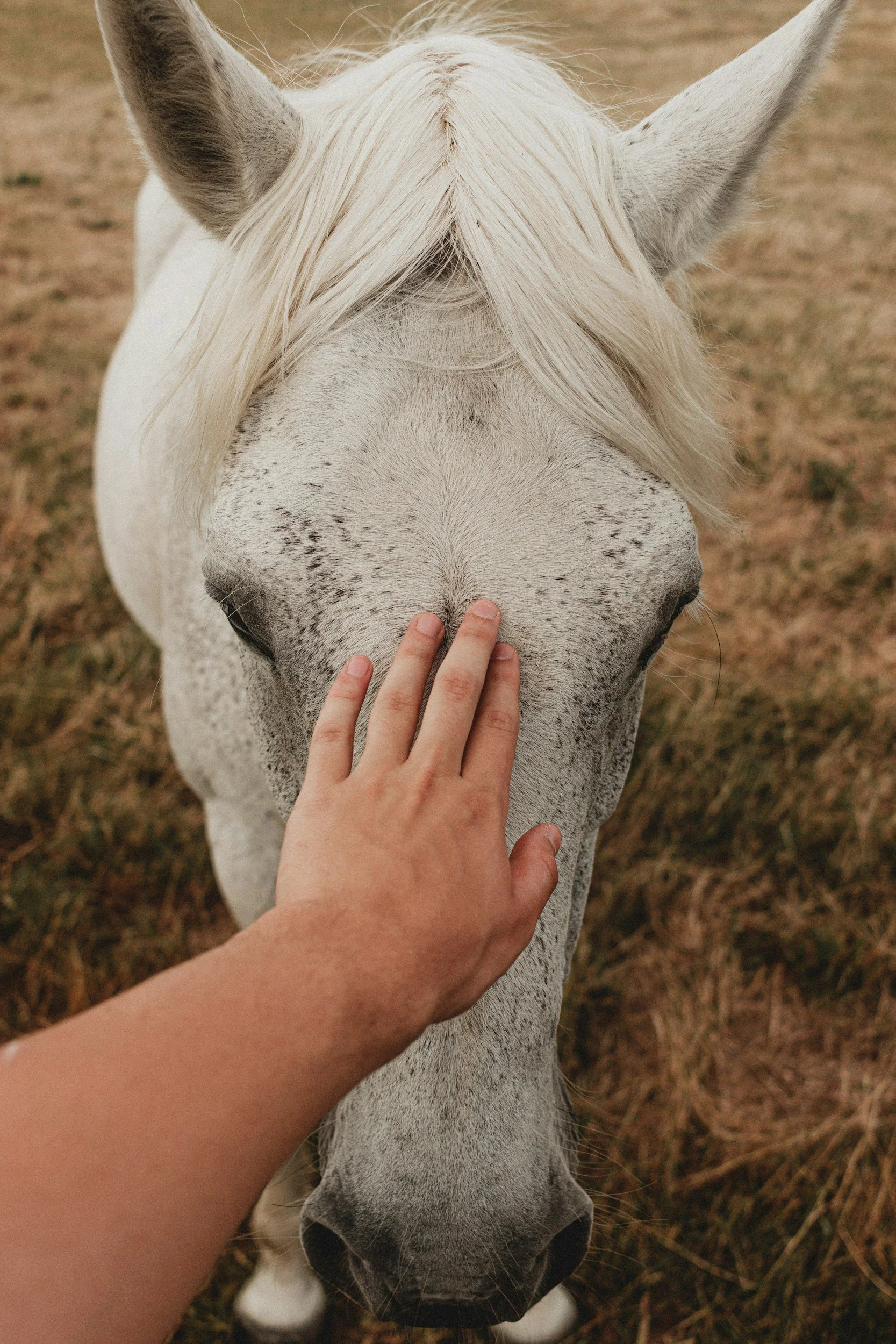
Animal Acupressure for Horses
Gentle point-based therapy supporting relaxation, balance, and nervous system regulation
Animal acupressure is a hands-on approach that works with specific points on the body to support physical comfort and overall wellbeing.
Rooted in Traditional Chinese Medicine (TCM), it uses light, intentional pressure on selected points along the body to support circulation and nervous system regulation.
Within my practice, acupressure is incorporated as part of an integrated approach to supporting the horse.
How Acupressure May Support
Horses continuously respond to both internal and external changes.
When tension or imbalance builds, this may present as:
• muscular tension or stiffness
• behavioural sensitivity or reactivity
• difficulty settling or relaxing
• reduced comfort or mobility
• general signs of stress
Acupressure works with the body’s natural regulatory systems, supporting circulation and helping the nervous system move towards a more settled state.
How Sessions Work
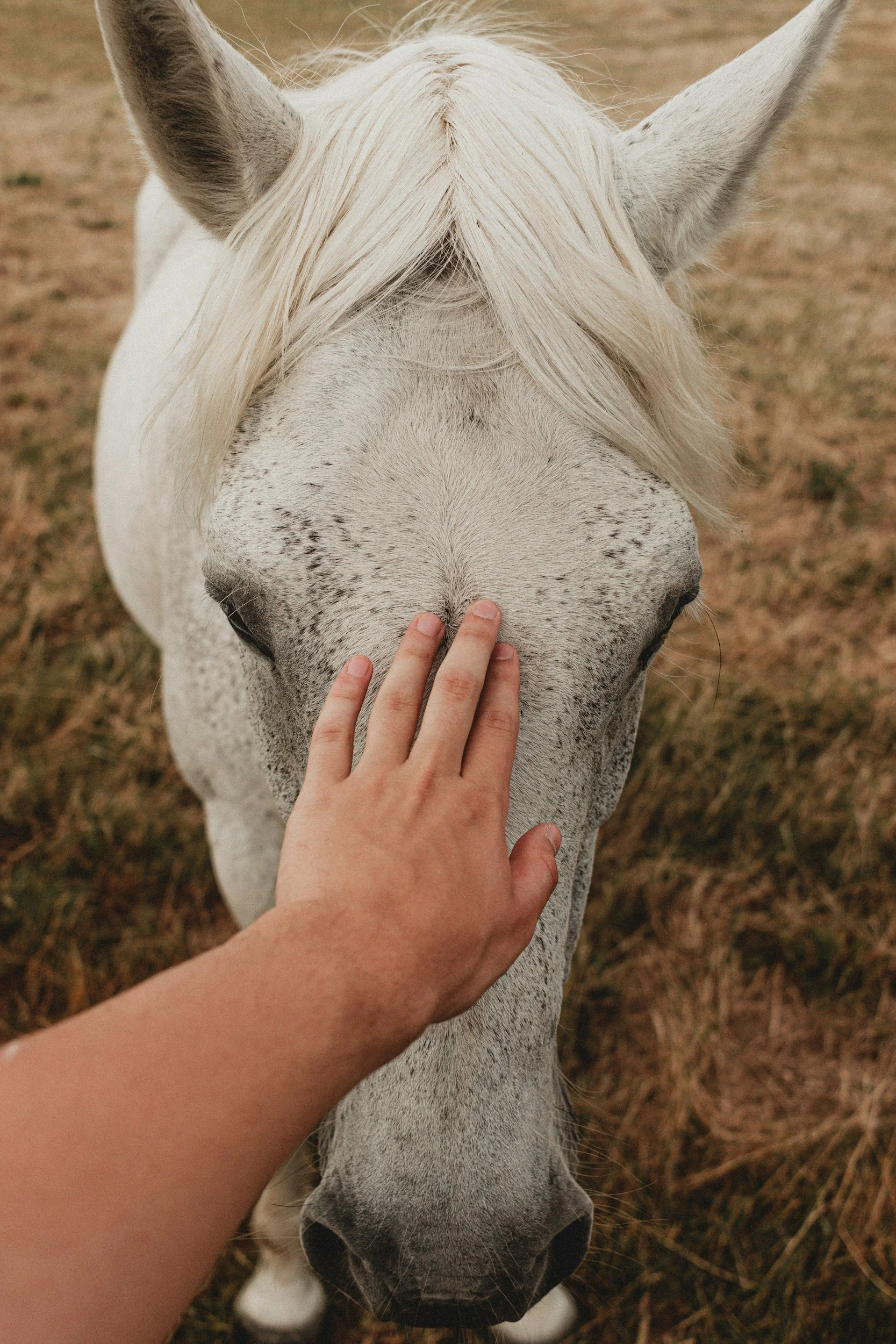
During a session, gentle pressure is applied to selected points across the body.
These points are associated with the body’s natural pathways of regulation and response.
Sessions are always guided by the individual horse.
Some horses stand quietly, soften, or stretch as tension begins to release. Others may move, reposition, or simply remain settled.
There is no expectation placed on the horse — they are always free to move, pause, or engage in their own way.
Situations Where Acupressure May Be Supportive
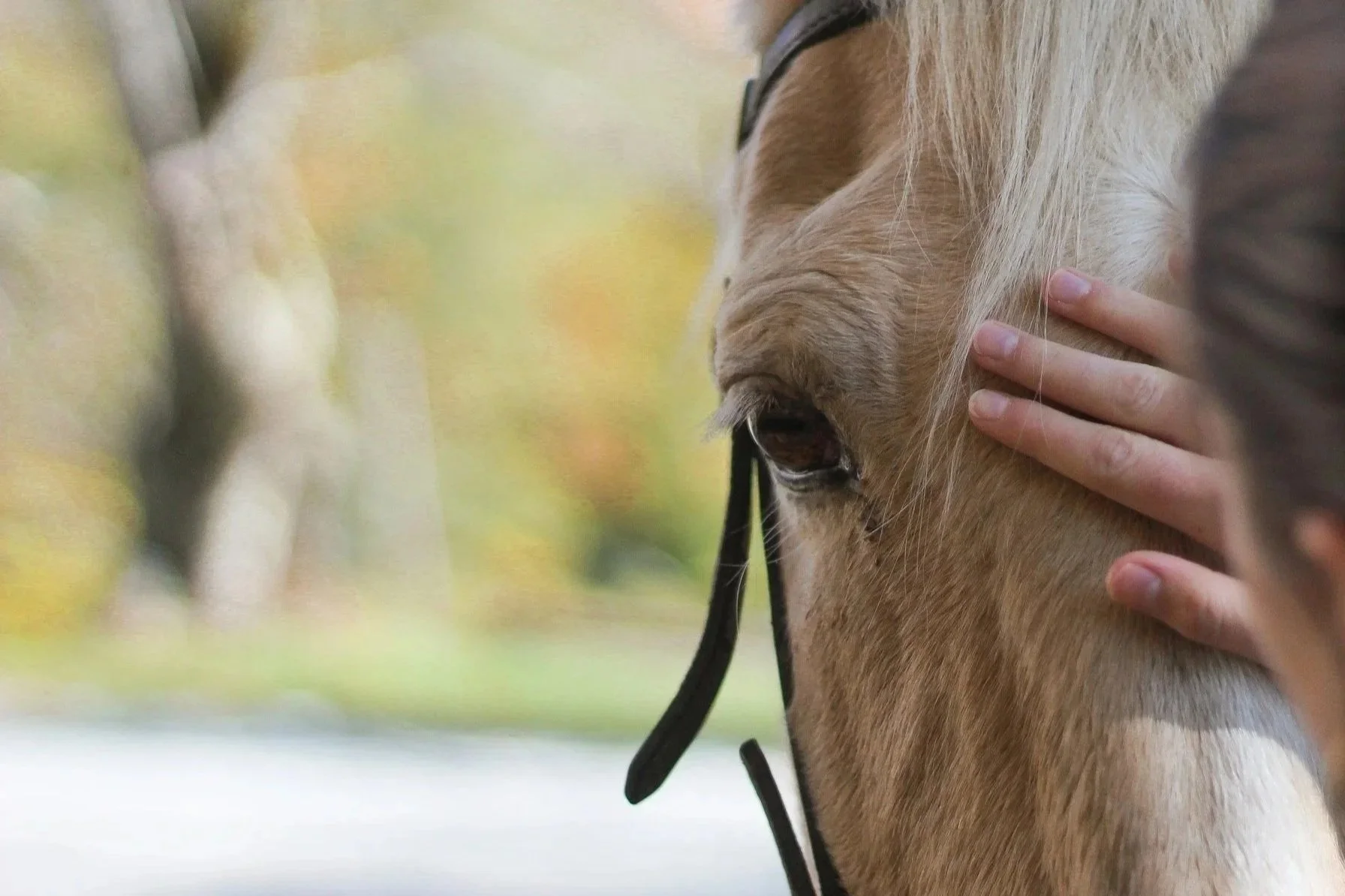
Acupressure may be helpful for:
• physical tension or stiffness
• nervous system sensitivity
• behavioural tension or anxiety
• reduced mobility or flexibility
• recovery support alongside veterinary care
• general wellbeing
Because the approach is gentle and non-invasive, it can be suitable for horses of many ages and activity levels.
Part of an Integrated Approach
Acupressure forms part of a wider, integrated approach within sessions.
Rather than being applied as a fixed technique, it is introduced where appropriate alongside other supportive approaches, depending on how the horse is responding.
This allows the session to remain flexible and guided by the individual.