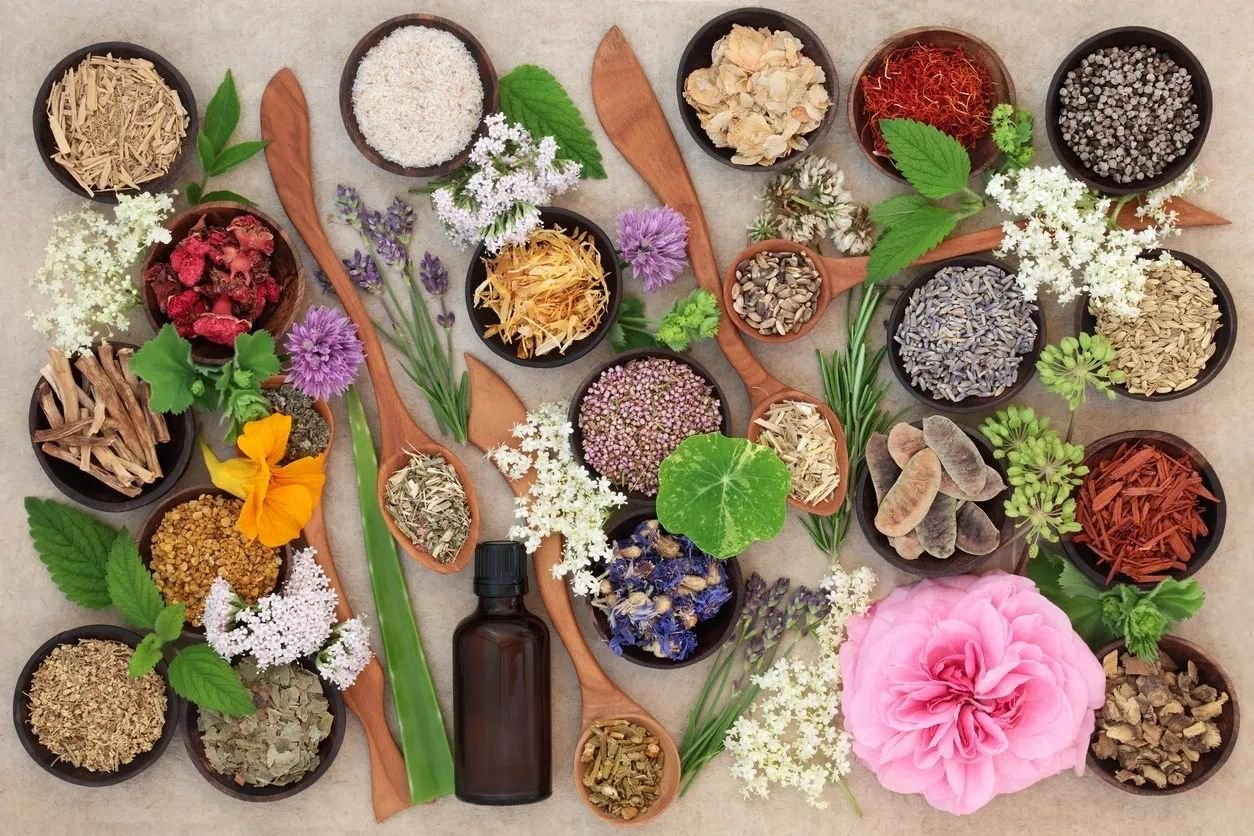
Animal Self-Selection for Horses
Supporting wellbeing through natural choice and instinctive behaviour
Animal self-selection (also known as applied zoopharmacognosy) is a complementary approach that allows animals to engage with natural plant substances according to their individual needs.
Within my practice, it is incorporated as part of an integrated approach, introduced where appropriate to support both physical and nervous system balance.
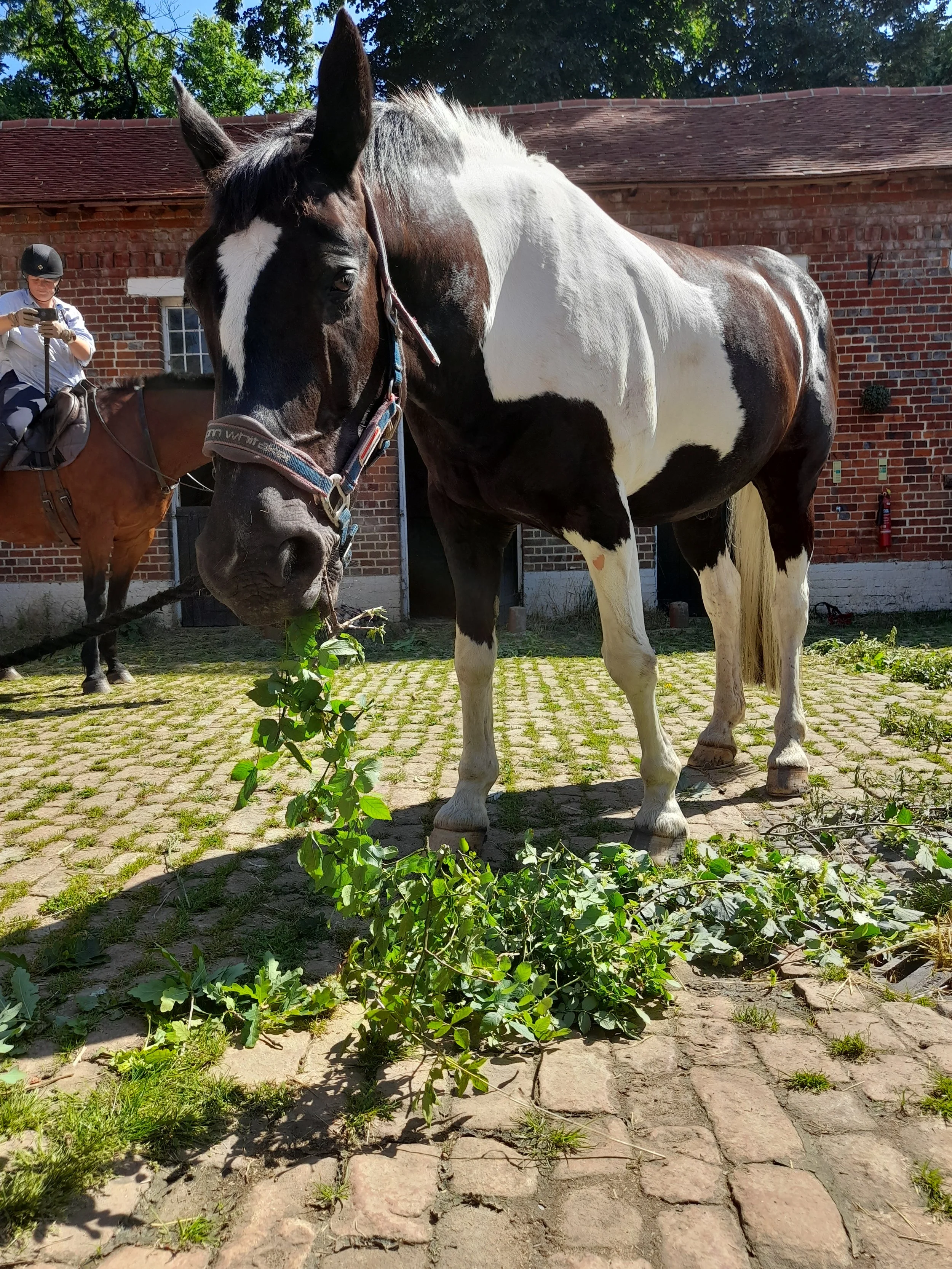
A Natural, Observational Approach
In natural environments, animals will often seek out specific plants when they require support.
Modern domestic settings can limit access to these resources.
Self-selection offers a structured way to reintroduce this opportunity, allowing the animal to guide the process through their own responses.
Rather than directing the outcome, the session focuses on observing how the animal interacts with what is offered.
How Sessions Work
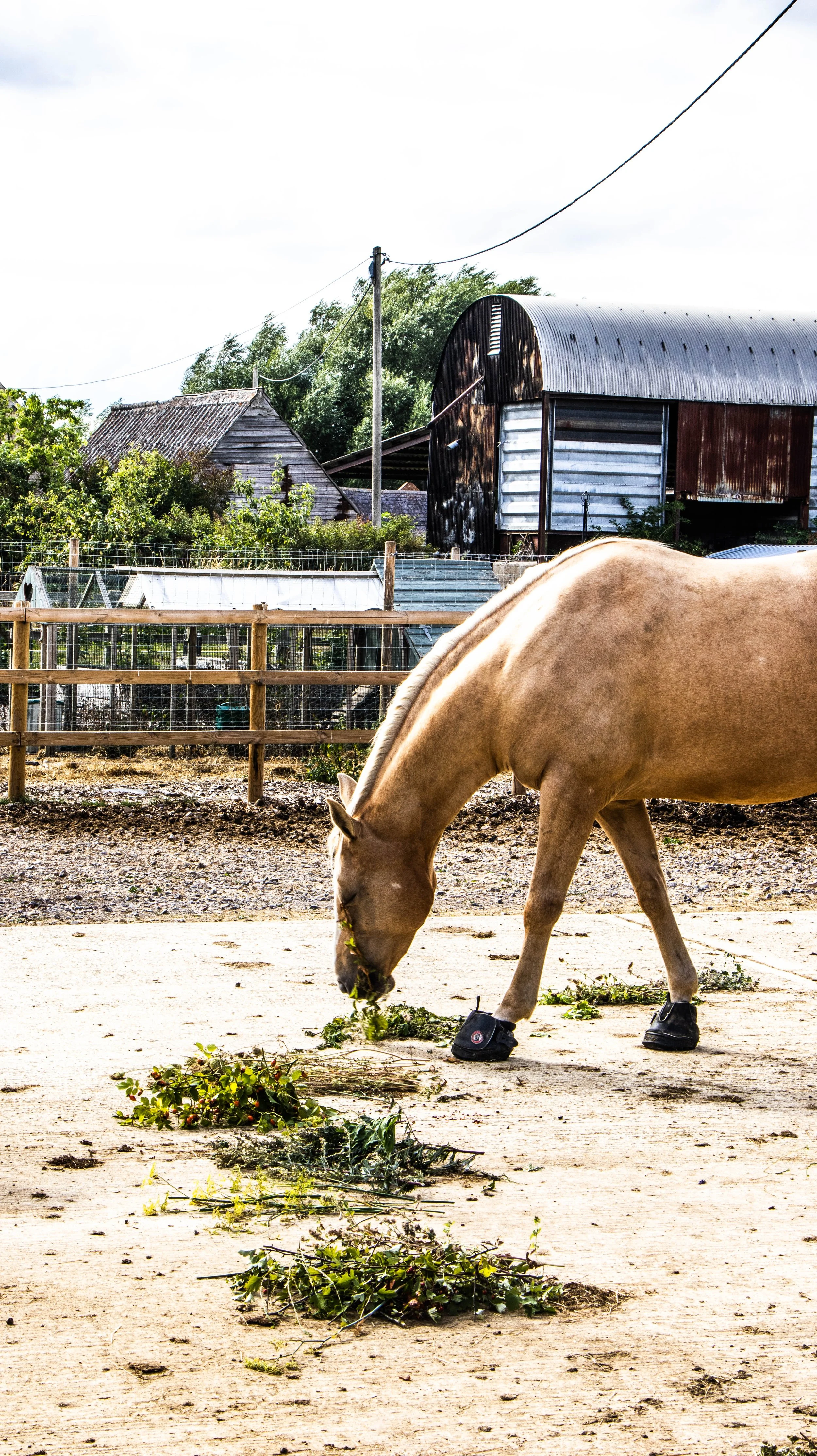
During a session, a selection of carefully prepared herbs, botanicals, or natural substances are presented in a controlled and considered way.
The horse is free to approach, explore, or ignore each option.
Responses may include:
• smelling or licking specific substances
• moving toward or away from particular options
• repeated interaction with certain botanicals
• choosing to rest or settle nearby
These responses guide the session.
Nothing is introduced without observation, and the horse remains free to disengage at any time.
Situations Where This May Be Supportive
Self-selection may be used within sessions where a horse is experiencing:
• nervous system sensitivity or stress
• behavioural changes or emotional tension
• digestive imbalance
• skin or coat concerns
• environmental adjustment
Because the process is guided by the animal, it can also provide insight into how they are responding to their environment.
Part of an Integrated Approach
Self-selection forms part of a wider, integrated approach within sessions.
Rather than being used in isolation, it is introduced where appropriate alongside other supportive approaches, depending on the individual horse.
This allows the work to remain flexible and guided by what the horse is able to engage with.