
Sound Therapy for Horses
Sound therapy uses carefully selected tones and vibrations to support relaxation within the body and nervous system.
Within my practice, sound-based approaches are used as part of an integrated way of working — helping to provide gentle sensory input that can encourage the system to settle and regulate.
Sessions are quiet, measured, and guided by the animal’s comfort.
Why Sound Can Support Horses
Horses are highly responsive to sound and vibration within their environment.
When the nervous system is under ongoing strain — whether through environmental change, injury, training pressures, or past experiences — this may present as:
• heightened alertness or anxiety
• difficulty settling or relaxing
• physical tension
• behavioural sensitivity or reactivity
• reduced focus or engagement
Sound introduces consistent, predictable input that can help the nervous system shift away from heightened alertness towards a more settled state.
As this happens, the body may begin to soften and release tension naturally.
How Sound Therapy Works
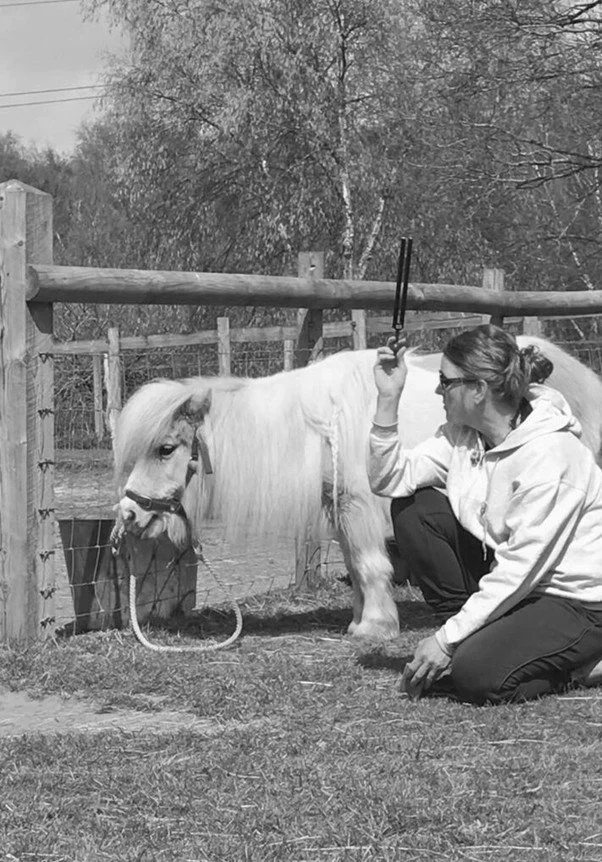
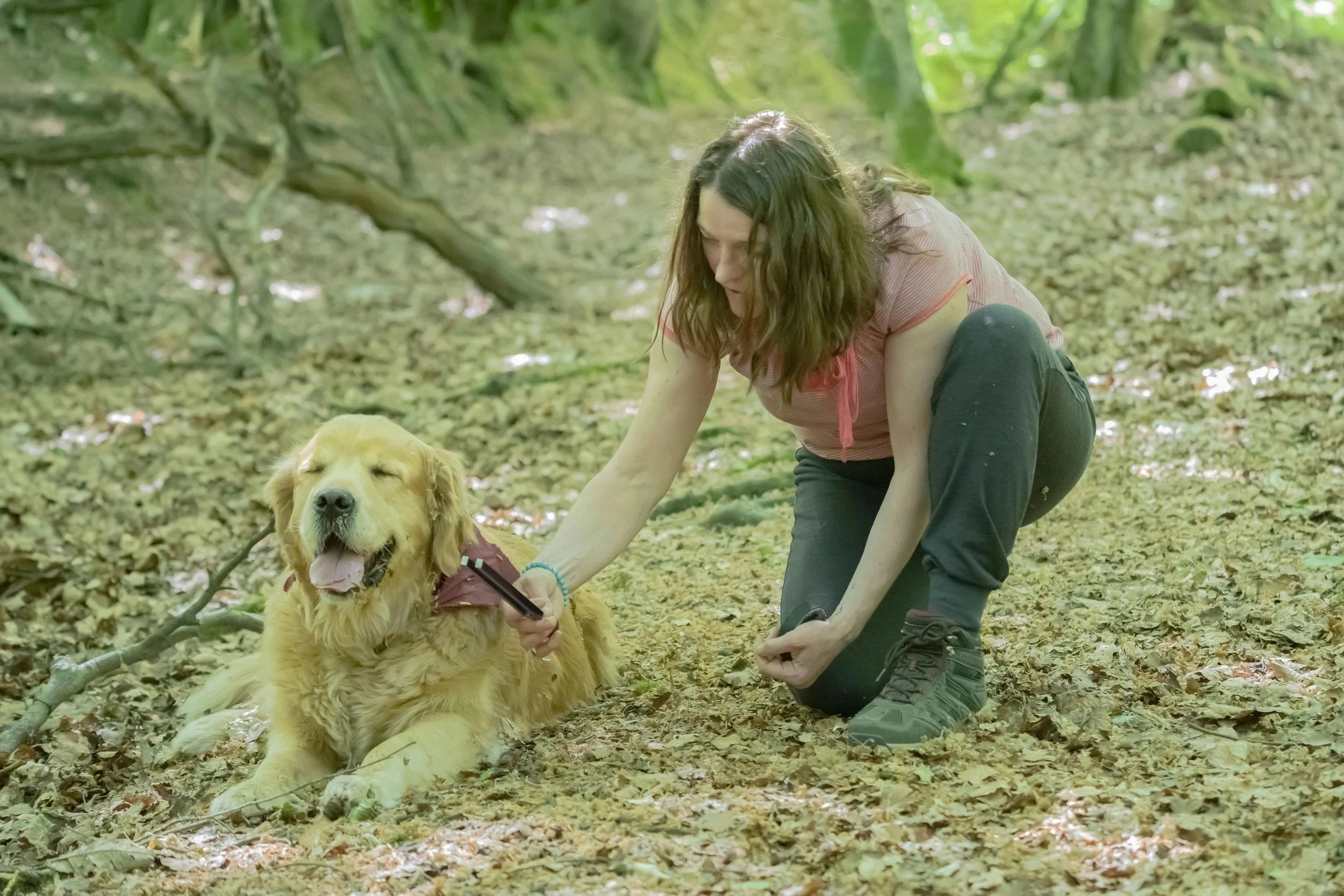
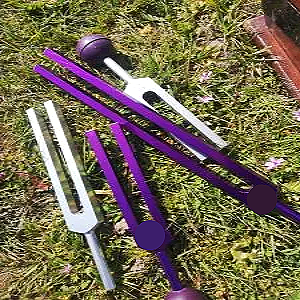
Sound sessions use carefully selected instruments that produce soft, steady tones and vibrations.
Depending on the individual horse, this may include:
• tuning forks
• chimes
• soft percussion
• voice-based tonal work
These sounds create subtle vibrations within the body and surrounding space.
Many horses show visible signs of relaxation — lowering the head, softening through the body, resting, or quietly repositioning themselves.
As with all sessions, the horse remains free to move, pause, or engage at their own pace.

Situations Where Sound May Be Supportive
Sound-based approaches may support animals who are experiencing:
Sound-based approaches may be helpful for:
• nervous system sensitivity or stress
• difficulty settling or switching off
• emotional tension following change
• behavioural sensitivity or reactivity
• general tension or restlessness
It can be particularly supportive for horses who are sensitive to touch, offering a non-invasive way to encourage relaxation.
Part of an Integrated Approach
Sound forms part of a wider, integrated approach within sessions.
Rather than being applied in isolation, it is introduced where appropriate alongside other supportive approaches, depending on what the horse needs on the day.