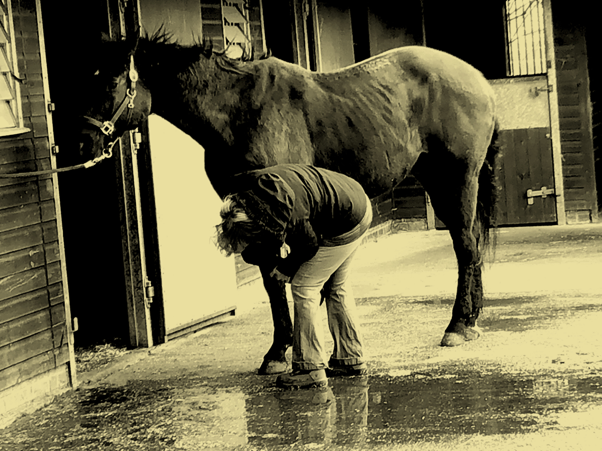
Equine Touch© Bodywork
Gentle bodywork supporting relaxation, movement, and nervous system balance
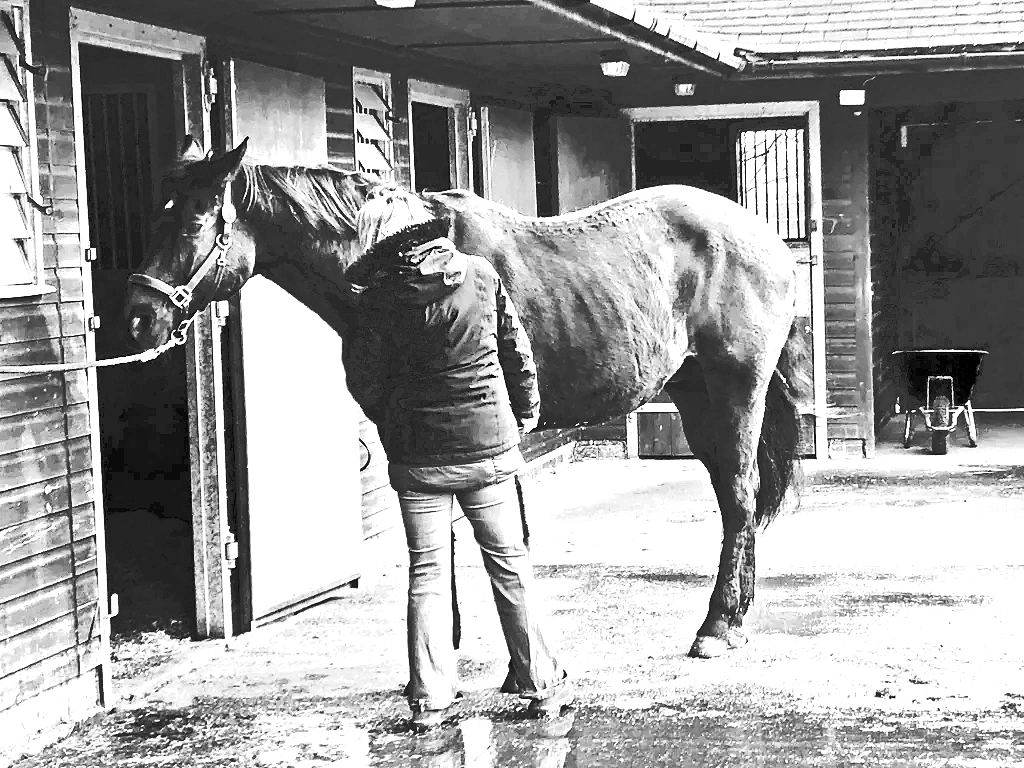
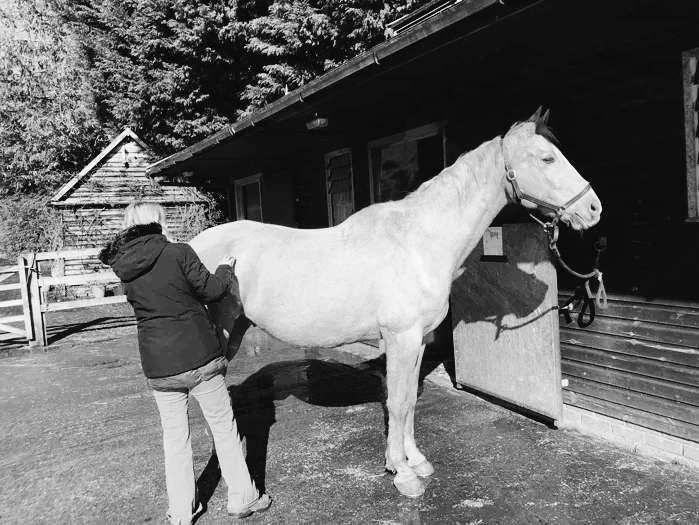
Equine Touch© is a specialised form of gentle bodywork designed to support the horse’s physical comfort, relaxation, and overall wellbeing.
This internationally recognised method works with the horse’s fascia, connective tissue, and nervous system using soft, precise movements that encourage the body to release tension and restore balance.
Within my practice, Equine Touch© is often incorporated into integrated nervous system regulation sessions, helping horses move toward a calmer and more comfortable state.
What is Equine Touch© ?
Equine Touch© is a non-invasive bodywork method developed to support the horse holistically.
Rather than forcing change through deep manipulation, the method uses gentle, targeted movements that interact with the body’s fascia and connective tissues.
Fascia plays an important role in how the body moves, holds tension, and communicates internally. When tension builds within these tissues, it can influence posture, mobility, comfort, and even behaviour.
Equine Touch© aims to encourage the body to release these patterns naturally, allowing the horse to soften and rebalance.
How Equine Touch© May Support Horses
This bodywork approach may be supportive for horses experiencing:
• muscular tension or stiffness
• postural imbalance
• reduced flexibility or mobility
• physical strain from training or work
• stress or nervous system sensitivity
• recovery support following injury (alongside veterinary guidance)
• general wellbeing and maintenance care
Many owners notice that horses not only move more comfortably after sessions but also appear calmer and more relaxed.
A Gentle Respectful Approach
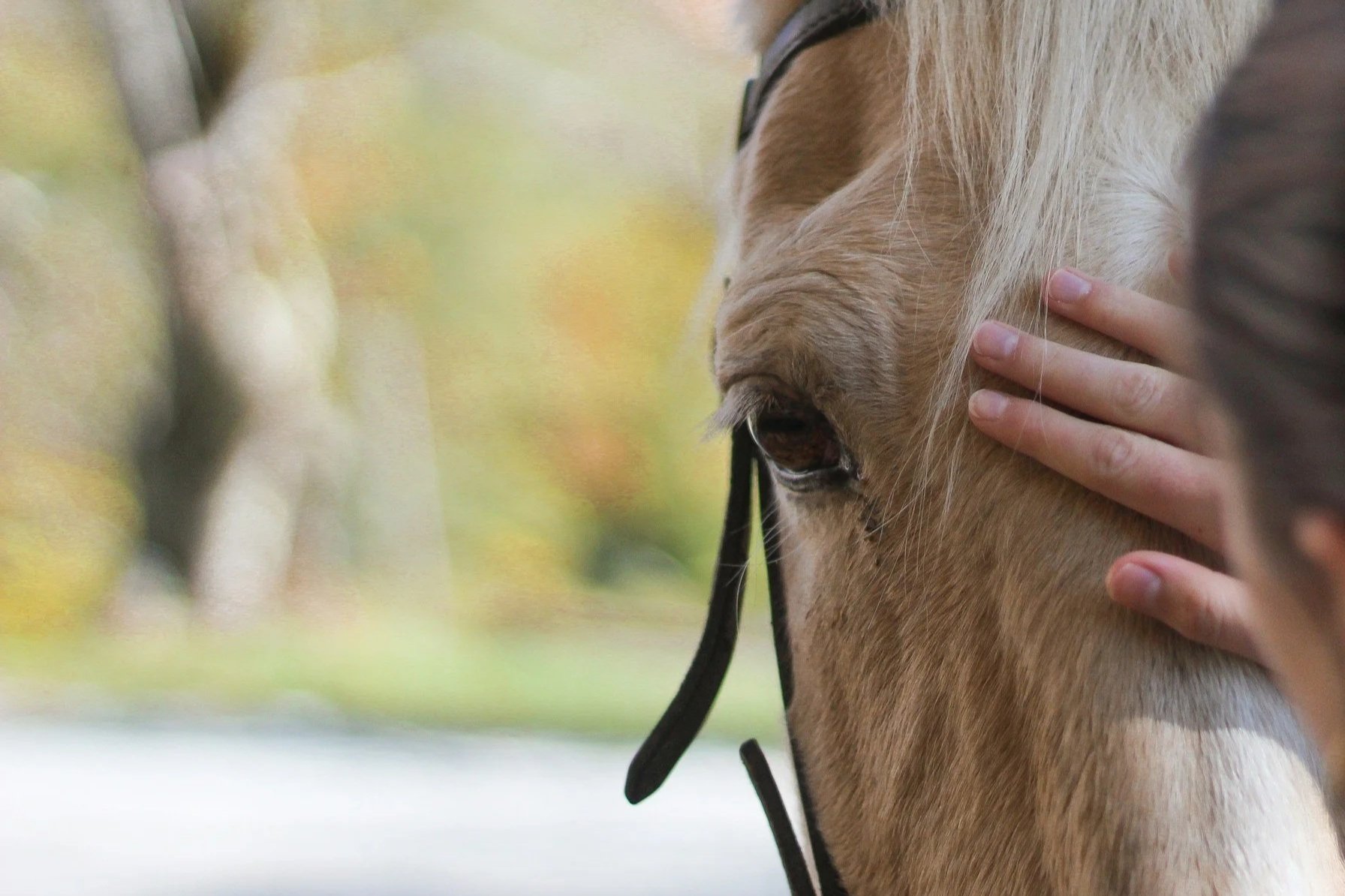
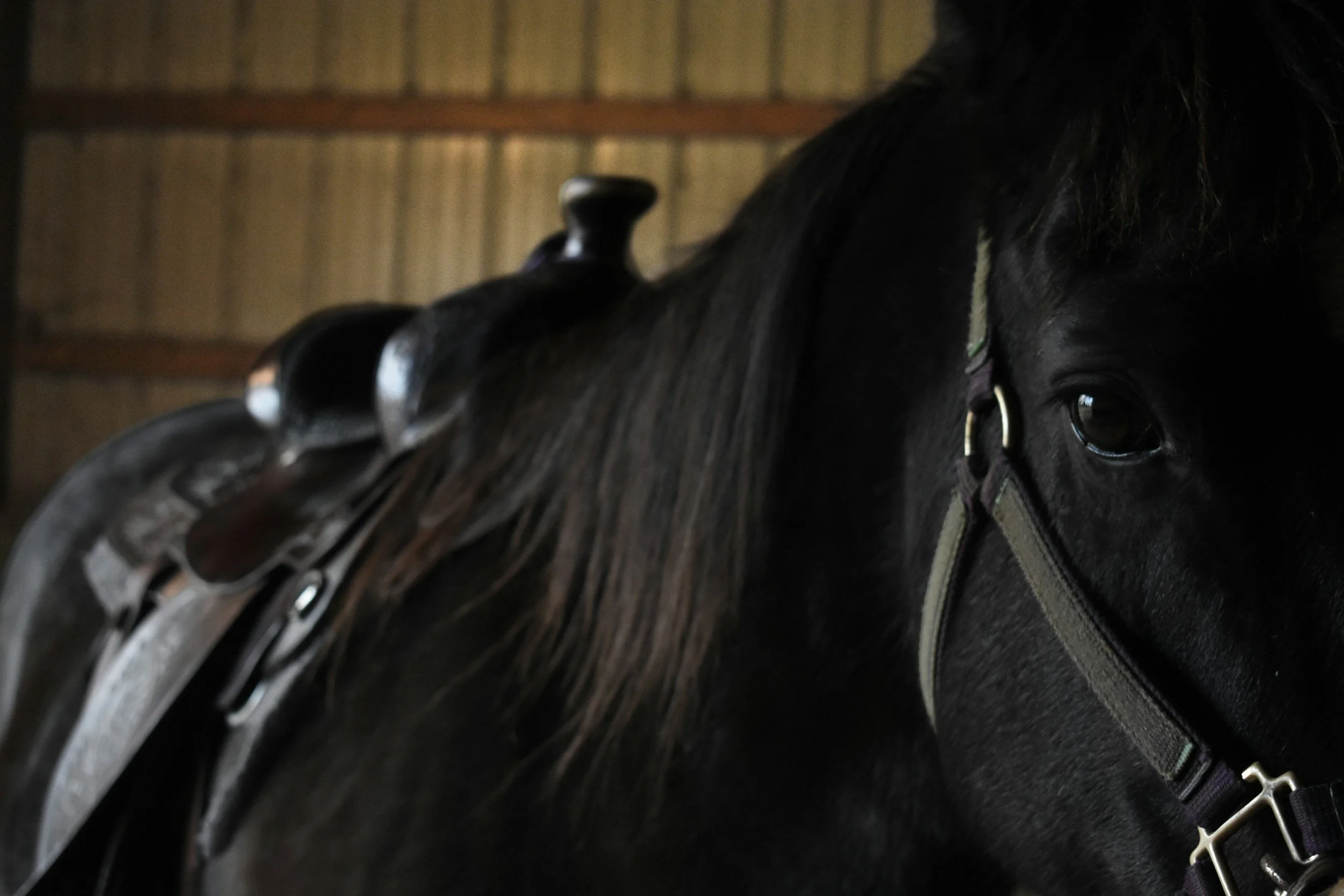
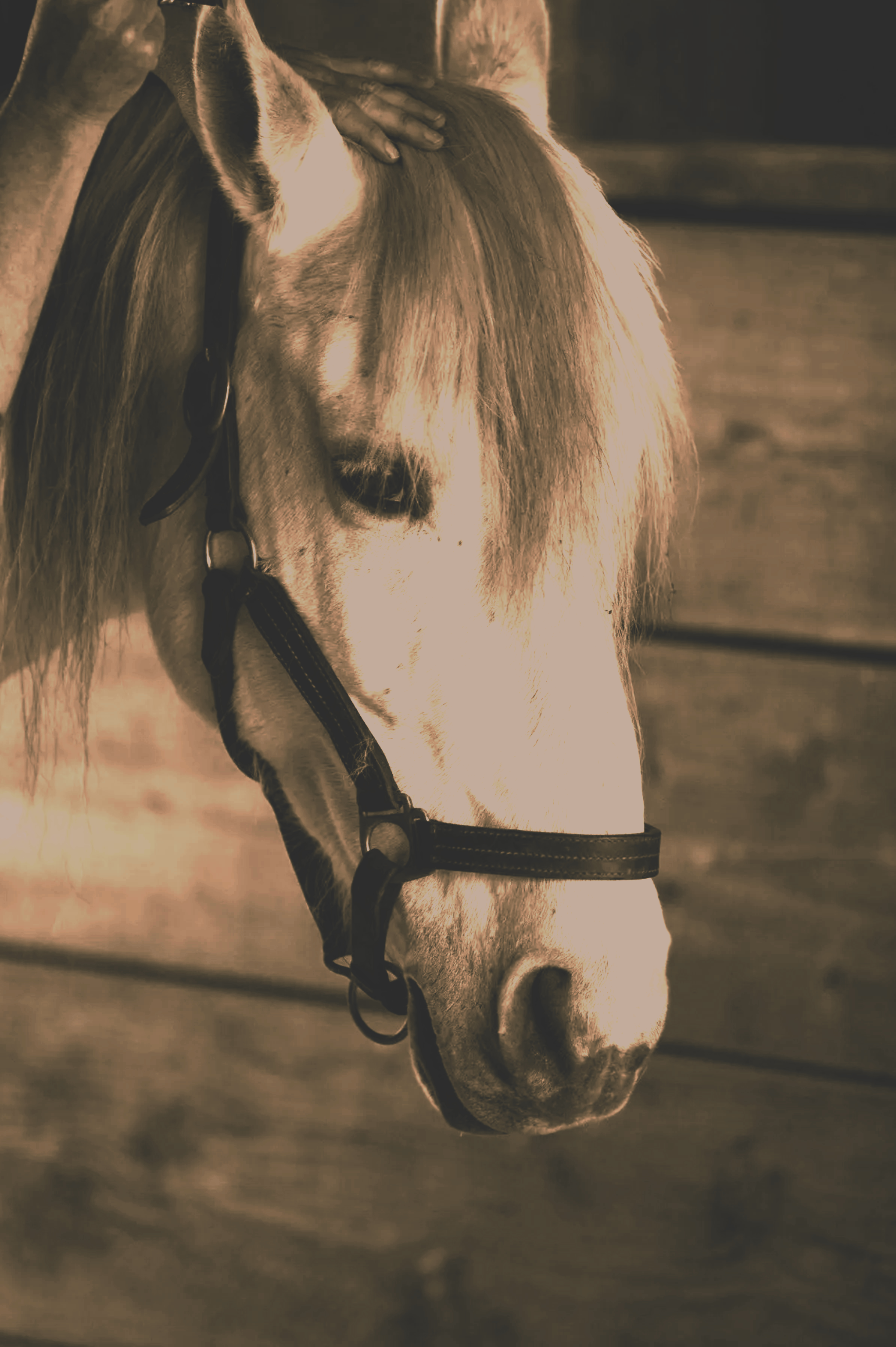
Equine Touch© sessions are always guided by the individual horse.
Rather than applying a fixed routine, the session unfolds gradually according to the horse’s responses and body language. This allows the work to remain respectful, calm, and responsive to the horse’s needs.
Many horses show signs of relaxation during sessions such as:
• lowering the head
• softening through the body
• licking or chewing
• sighing or resting
• shifting weight comfortably
These responses often indicate that the nervous system is beginning to settle and the body is releasing tension.
Professional Training
As a qualified and registered Equine Touch© practitioner, my training includes:
• detailed study of equine anatomy and biomechanics
• understanding fascia and connective tissue systems
• safe and ethical handling techniques
• working alongside veterinary professionals where appropriate
Sessions are always delivered with the horse’s comfort, safety, and autonomy as the priority.
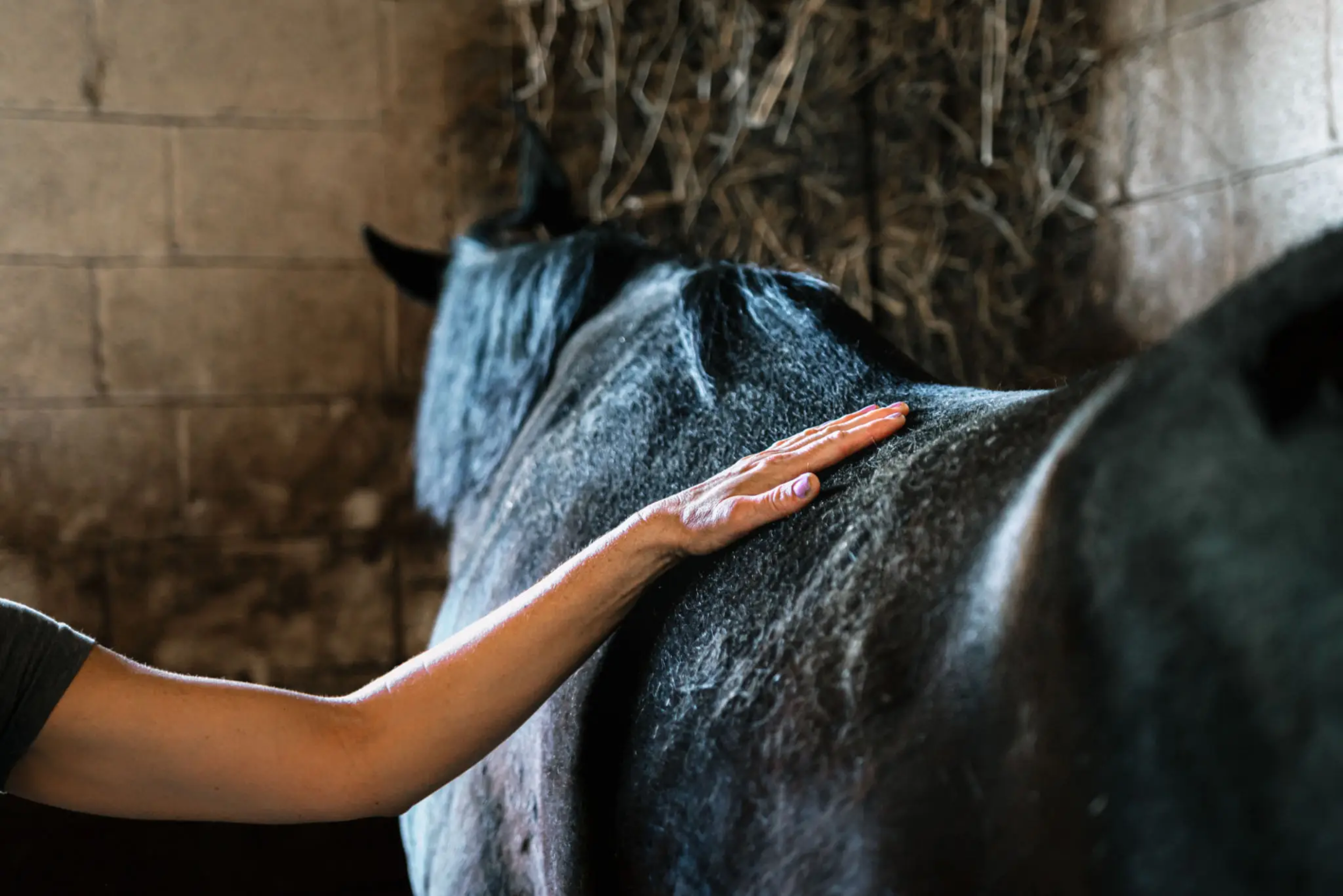
Part of an Integrated Approach
These approaches may be incorporated where appropriate, depending on your animal’s needs and what feels comfortable for them on the day.
Learn more
If you would like to explore whether Equine Touch© bodywork may be suitable for your horse, you are welcome to arrange a consultation.